
Physiotherapy in Bowden
Pain, Injury & Movement
Helping you move more comfortably and return to what matters
You do not need to be an athlete, have a dramatic injury or know your exact diagnosis to benefit from physiotherapy.
You may simply know that something hurts, feels stiff or is making everyday life more difficult. Perhaps pain is affecting your work, sleep, exercise or ability to keep up with the activities you enjoy.
You may have stopped moving in certain ways because you are uncertain about what is safe, or you may be frustrated by symptoms that repeatedly settle and return.
Physiotherapy at Centred Ground is for everyday people experiencing pain, injury, weakness or reduced confidence in movement. Your assessment looks at what’s relevant to you — the affected area, movement, strength, daily activities, health history and what you want to return to doing — to build a clear picture and a direction for treatment.
This may include hands-on techniques like manual therapy, joint mobilisation or dry needling, combined with tailored exercise and rehabilitation, working toward more comfortable, confident movement.
Physiotherapy for real bodies and everyday lives
Pain and movement concerns can develop through work, exercise, an injury, surgery, changing health or simply the demands of everyday life. The concern does not need to fit neatly into a single category.
The starting point is understanding what you are experiencing, how it is affecting you and what you would like to be able to do more comfortably.
Neck pain, headaches and jaw concerns
- Neck pain or stiffness and difficulty turning the neck
- Headaches with a neck or musculoskeletal component
- Jaw pain, tension, clicking or restricted movement
- Pain associated with desk work or sustained positions
- Muscle tension around the shoulders, neck and upper back
Shoulder and upper-limb concerns
- Shoulder pain, weakness or restricted movement
- Frozen shoulder
- Rotator cuff and tendon-related concerns
- Pain with reaching, lifting or overhead activity
- Symptoms associated with climbing, yoga, gym training or recreational activity
- Elbow, forearm, wrist or hand concerns related to movement and loading
- Rehabilitation after upper-limb surgery
Thoracic and upper-back pain
Pain and stiffness through the thoracic spine and upper back can affect breathing, rotation, reaching, sitting and comfortable movement through the shoulders and neck.
Assessment may consider the thoracic spine as well as the neck, shoulders, ribs and the activities that reproduce or relieve your symptoms.
Hip, knee and lower-body concerns
- Hip pain or stiffness
- Knee pain
- Tendon-related hip or knee concerns
- Difficulty with stairs, squatting, walking or getting up from a chair
- Reduced strength or mobility
- Returning to exercise after injury or time away
- Rehabilitation following hip, knee or other lower-limb surgery
- Lower-back pain and stiffness
Persistent or recurring pain
“Persistent pain does not necessarily mean that damage is continuing or that movement should be avoided.”
Pain that continues or repeatedly returns can be frustrating and difficult to understand. You may have already tried treatment, rest, exercise, scans or changes to activity without finding a sustainable way forward.
At the same time, being told simply to “keep moving” is not always enough.
The aim is to identify practical starting points, make movement feel more manageable and gradually build confidence and capacity.
For some people living with persistent pain, hypnotherapy may also be considered as a complementary approach — particularly where pain is affecting stress, sleep, confidence, activity or day-to-day wellbeing.
Recreational & activity-related CONCERNS
You don't need to play competitive sport
- Yoga
- Climbing & bouldering
- Gym & strength
- Walking & hiking
- Running
- Gardening
Treatment may focus on settling symptoms, restoring movement, rebuilding strength and gradually returning to the activity in a way that feels appropriate and achievable.
Rehabilitation
After surgery or time away from activity
WHAT TO EXPECT
Progress may take time
Some recent or straightforward concerns may improve relatively quickly. Long-standing pain, tendon-related conditions, post-surgical rehabilitation and repeated flare-ups may require a more gradual process.
Sometimes the presenting pain is only one part of a broader picture, and other aspects may need to be considered alongside the physical findings. Additional input from another practitioner may be helpful alongside physiotherapy, which can provide careful assessment, hands-on treatment where appropriate, clear guidance and a plan that is reviewed with you.
Related pages
Book Physiotherapy
Longer, individual appointments with time to listen, assess thoroughly and develop a clear plan with you.
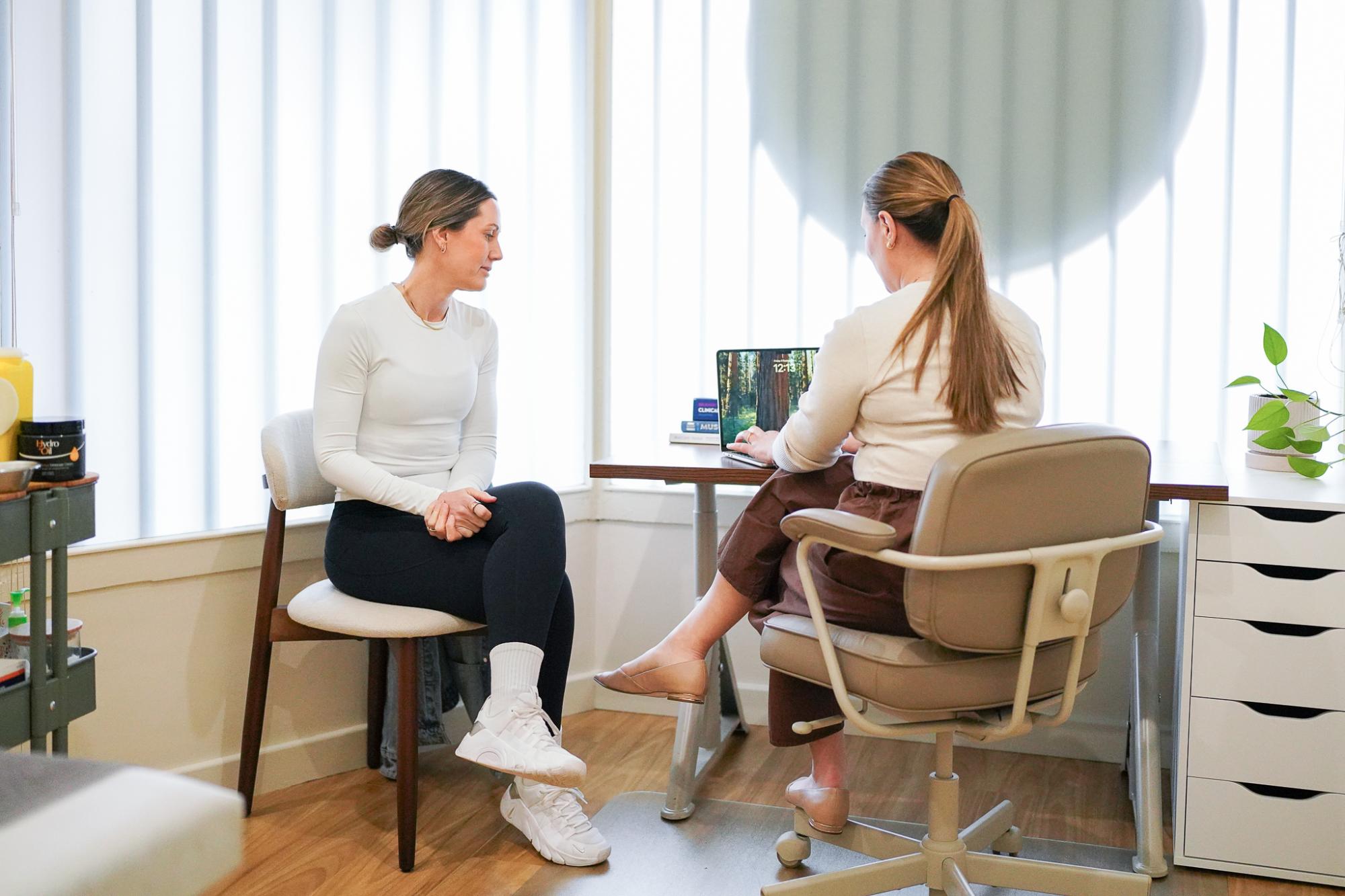
Your first appointment
What happens in your first session, how long it takes and what to bring.
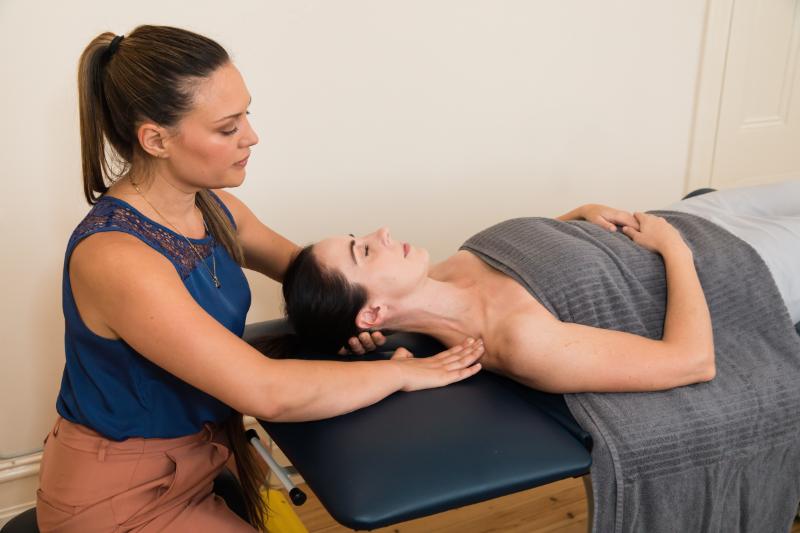
Women’s Health Physiotherapy
Individual support for pelvic floor and women’s health concerns, including pregnancy, postpartum, pelvic floor health and menopause.